YouTube and Piracy (Part 1)
YouTube is a video-sharing platform, and obviously does not directly contribute to digital piracy; it is a legal platform that respects copyright. However, as on many legal platforms, pirated content is uploaded and downloaded on YouTube. The music industry earns millions of dollars in revenue from YouTube every year, but the streaming platform also presents threats.
What, exactly, is the extent of this phenomenon?
YouTube has put systems in place to detect and remove content that infringes copyright, and works with rights holders to prevent illegal practices involving the platform. But what exactly are they?
AgencePDN gets this kind of content removed: see our Fraudulent ads service.
The uncertain legal status of stream-ripping
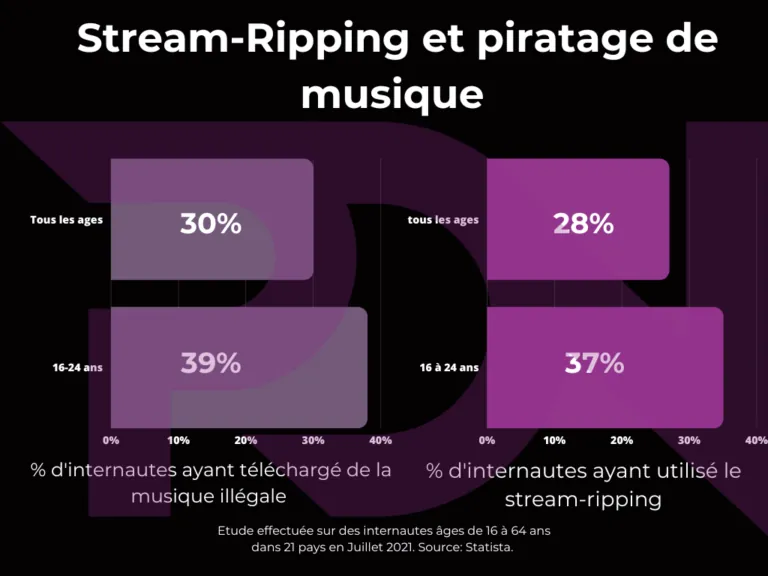
Stream-ripping tools, for example, are considered the biggest piracy threat, and music industry groups regularly ask YouTube to take action against these services.
Stream ripping consists of extracting the content of an audio or video stream in order to record it. In some countries, such as France, this practice is even treated as private copying and is therefore legal. The French Conseil d’État issued a new ruling in 2021 to that effect, confirming that, in the absence of DRM and provided the copy is stored on a device belonging to the user, stream-ripping was permitted.
Several other countries also treat stream ripping as private copying and therefore have no legal tool to fight this phenomenon.
Learn to pirate YouTube… by watching a YouTube video!
YouTube is riddled with piracy tutorials and how-tos. There are thousands of instructional and tips videos, viewed millions of times every week, that can teach you how to download or listen to music, films and software illegally, and that point, in the comments, to sites where certain tools (or protected content directly) can be downloaded.
In 2021, YouTube did try to update its policy to ban videos that explain, in particular, how to access paid streaming services for free. Indeed, the “harmful and dangerous content” policy was updated, and the platform now prohibits the following behaviour:
Showing viewers how to use apps, websites or other information technologies to gain free, unauthorized access to audio content, audiovisual content, full video games, software or streaming services that normally require payment.
But you only need to go on the site and do a few searches to see that this is not very effective.
Removing illegal content on YouTube
As is often the case, having these clauses in the terms of use is not enough; the platform does not actively look for this content, it merely prohibits it, but by typing a few chosen keywords into the search, it is easy to see how these tutorials are still very much present.
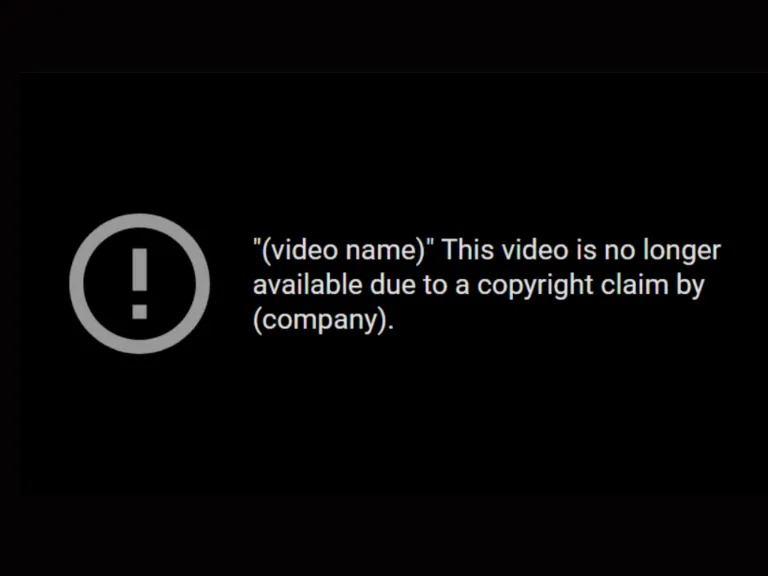
Indeed, without action from a rights holder, the videos, although prohibited, stay online.
Rights holders can, in fact, if they find a video infringing their copyright, block the playback of that video in its entirety, or even run ads for free on the author’s channel, which generates revenue for them from the views of the illegal channel. However, unless a piracy channel generates millions of views, these measures do not seem dissuasive enough. Here again, most rights holders prefer either to do nothing at all, or to have their content removed or blocked.
In its 2022 Transparency Report, the streaming platform revealed that the vast majority of reported infringements were reported through the Content ID system. This system is used by a small number of rights holders (fewer than 5,000 according to the latest figures), but it is these requests that account for the vast majority of removals carried out on the platform, nearly 757 million. However, access to Content ID is very limited: only users selected by YouTube can access it.
Apart from content identification requests, “normal” rights holders can use the standard DMCA web forms to report content. This accounts for only one percent of all content reported on YouTube. That said, use of the web forms has grown by more than 30% year over year.
Interestingly, manual requests are twice as likely to be disputed by the platform.
Join us in early May for the rest of our article!
In the meantime, if you have content to protect, whether a film, a series, a music album or a live event, don’t hesitate to contact one of our account managers; we will be happy to help you so that you can take back control of your revenue!