YouTube to MP3: the music industry's first site-blocking order in Canada
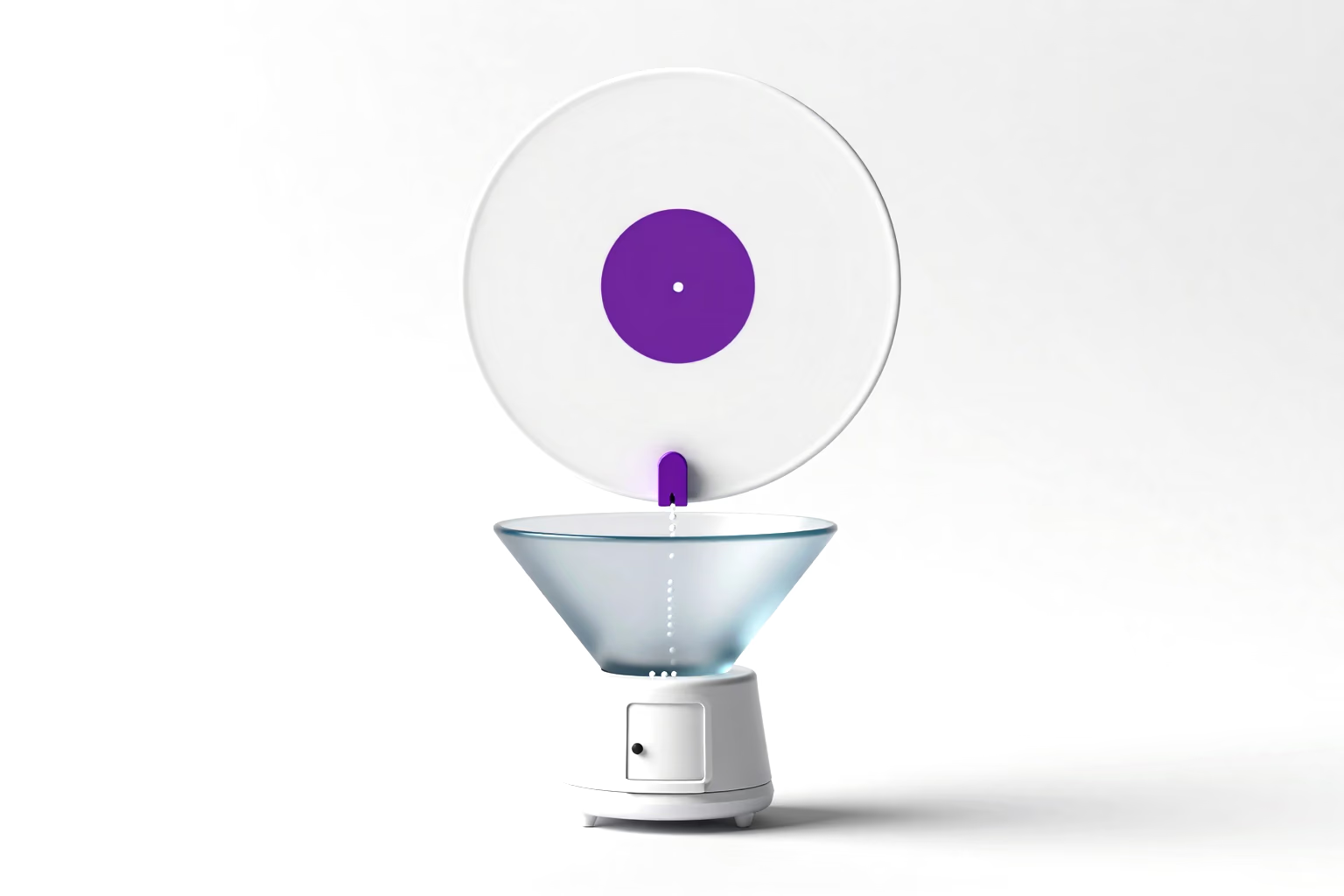
Paste the address of a YouTube video, click “Convert”, download an MP3 file. For many internet users, it seems harmless. For the music industry, it is stream ripping: turning an online play, for which the artist is paid, into a permanent copy that no longer earns anyone anything.
On June 15, 2026, the Federal Court ordered the blocking of sites of this kind in Canada for the first time. It is also the first blocking order obtained by the music industry in the country. Here is what it provides and why it matters.
Who asked for what?
File T-4795-25 was brought by the three major record labels and several of their subsidiaries: Sony Music, Universal Music Canada and Warner Music, including Arista, Atlantic and Elektra. The action was coordinated by Music Canada, which represents its members without being a party to the file itself.
Justice Simon Fothergill issued two decisions the same day:
- a permanent injunction judgment against the anonymous operators of three services: Y2mate, YTMP3 and Savefrom;
- a blocking order aimed at internet providers.
Four domains are targeted: Y2mate.ws, Ytmp3.lat, Savefrom.space and Spowload.cc. Nine internet providers must block them within 10 business days: Bell, Eastlink, Cogeco, Rogers, SaskTel, TekSavvy, Telus, Vidéotron and VMedia. None opposed it.
Why is stream ripping illegal?
Operators often argue that they merely “convert” what is already public. The Court did not accept that argument. It found that these services reproduce the recordings without authorization and enable the infringement committed by their users, an offence under subsection 27(2.3) of the Copyright Act.
The Court also noted a fact rights holders know well: these platforms circumvent the security measures put in place by YouTube to create a permanent, downloadable copy.
Finally, it observed that the targeted services are themselves copycats of similarly branded services that were shut down earlier, and that other copycats have already begun to appear. Shutting down a site is not enough: the brand survives and is reborn elsewhere.
An order that follows the pirates
That is why the order is dynamic. When a new domain appears under one of these brands, the labels file an updated list with a sworn affidavit. Internet providers have 10 business days to object; without objection, the Court can amend the list without a new hearing.
The rest of the mechanism follows the model of previous Canadian orders, in particular the one issued against Soap2day in 2025:
- DNS or address blocking, at the provider’s choice; an IP address is blocked only if the server hosts no other active site;
- an information page shown to subscribers who try to reach a blocked site;
- reimbursement of the providers’ blocking costs by the applicants;
- a two-year term from the date of the order.
A first for music, not for blocking
Canada has been blocking pirate sites since the GoldTV case in 2019, upheld by the Federal Court of Appeal in 2021. The orders that followed mainly protected television and live sports: NHL games, IPTV services, movie streaming sites. Music was absent from those decisions.
The stakes are real for music. According to Music Canada, streaming accounts for more than 75% of recorded music revenue in the country, and the most popular stream-ripping site in Canada received upwards of 1.7 million visits a month. Every extracted file is a play that will never be paid for. Patrick Rogers, CEO of Music Canada, summed up the goal of the action: “Our goal is to ensure that artists are paid when their music is played.”
The takeaway
This decision confirms that in Canada, a service that presents itself as a simple “tool” can be held liable for the piracy it makes possible. It also shows that blocking is no longer reserved for sports and television: any cultural industry that documents its case well can obtain it.
Blocking remains one tool among others. It only affects the providers named, and pirate brands change domains quickly. Hence the importance of monitoring that spots new addresses as soon as they appear and keeps a dated record of every notice sent: that record is what makes it possible to add a domain to a dynamic order.
Sources
- Federal Court, file T-4795-25, judgment of June 15, 2026 (2026 FC 801): PDF published by TorrentFreak
- Federal Court, blocking order, public version (2026 FC 802): PDF published by TorrentFreak
- Music Canada, press release of June 16, 2026: musiccanada.com
- TorrentFreak (June 16, 2026): torrentfreak.com
- Billboard Canada (June 2026): ca.billboard.com