The Anthropic settlement: what $1.5 billion changes for authors
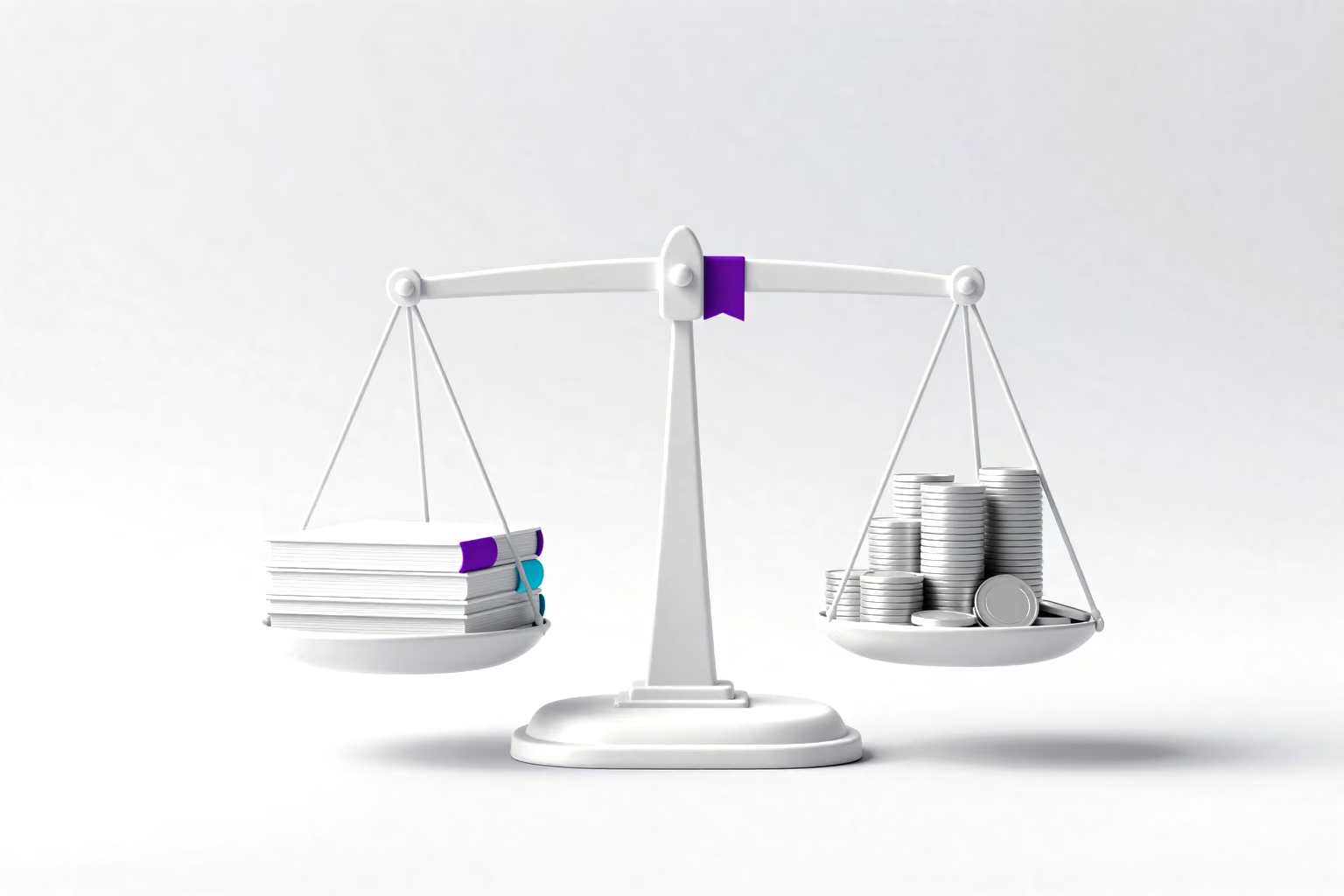
On July 20, 2026, a federal judge in California gave final approval to the settlement between the artificial intelligence company Anthropic and US authors: US$1.5 billion, the largest amount ever obtained in a copyright case.
The case is often described as AI versus books. That is inaccurate, and the nuance matters for every creator. Here is what was really at stake.
It was not the training that cost so much
Bartz v. Anthropic took a turn on June 23, 2025. Judge William Alsup then ruled on two separate questions.
AgencePDN gets this kind of content removed: see our Books and publishing service.
- Training the model on lawfully purchased books was, in his view, fair use under US law.
- Building a library of pirated books, however, was not protected. According to the decision, the company had downloaded at least five million books from Library Genesis (LibGen) in 2021, then at least two million from Pirate Library Mirror in 2022.
A trial on that second part was scheduled for December 2025, with potential damages in the billions. Anthropic chose to settle.
In other words, the bill is not about what the AI learned, but about where the copies came from. The pirate libraries alone cost $1.5 billion.
What the settlement provides
- About US$3,000 per work. The list includes just over 482,000 works, and claims were filed for more than 440,000 of them, an exceptional participation rate.
- A split between author and publisher, half and half by default when the publishing contract is still in force. If the rights have reverted to the author, the author receives everything.
- The destruction of the files downloaded from LibGen and Pirate Library Mirror, and of their copies. Anthropic stated that neither dataset was used to train a commercially released model.
- Reduced fees. Class counsel asked for $187.5 million; the judge awarded about $101.6 million.
Payments have not started yet. Several appeals have been filed since the approval, and they could delay the first payments.
What about Canadian authors?
The settlement was reached under US law, but it does not stop at the border. According to The Writers' Union of Canada, Canadian books are part of the class when they meet certain conditions, including registration with the US Copyright Office and their presence in the pirated datasets at issue.
The claims period has been closed since March 30, 2026. For authors and publishers who filed a claim, what remains is waiting for the payments.
In Canada itself, no law yet settles the question of AI training on protected works. We reviewed where that file stands in a recent article.
A ruling that does not settle everything
Two days after Judge Alsup's decision, another judge of the same court, Vince Chhabria, ruled for Meta in a similar case, even though the company had also downloaded pirate libraries. He specified, however, that his decision applied only to the 13 authors involved, who had not provided enough evidence, and that it did not make the use of their books lawful.
US law is therefore not settled. But a trend is emerging: courts are more tolerant of training itself than of the way companies obtain the works.
What authors and publishers can take away
- Pirate libraries are the way in. LibGen, Pirate Library Mirror and their mirrors do not just hurt sales: they are the reservoirs drawn on by anyone who wants millions of books without paying.
- Every copy taken down counts. A book that disappears from a pirate library is one book fewer in the next mass download.
- Evidence has value. In this case, everything rested on showing that specific works were in specific datasets. Knowing where your titles circulate, with dated records, is an asset in a licensing negotiation as well as in court.
- Registering works in the United States can help. For a Canadian publisher selling in the US market, registration with the Copyright Office opens remedies that are not otherwise available.
Our agency monitors pirate libraries and download sites on behalf of publishers and authors, gets the copies found removed and keeps proof of every notice. If you want to know where your books are today, start with our free analysis.
Sources
- Authors Guild, final approval of the settlement (July 21, 2026): authorsguild.org
- Writer Beware, claims figures and appeals (July to September 2026): writerbeware.blog
- Authors Alliance, on Judge Alsup's decision (June 24, 2025): authorsalliance.org
- FisherBroyles, analysis of the Alsup decision: fisherbroyles.com
- Loeb & Loeb, on Kadrey v. Meta (July 2025): loeb.com
- The Writers' Union of Canada, on the Anthropic settlement: writersunion.ca
- CBC, announcement of the settlement (September 2025): cbc.ca