Fake DMCA Requests (1)

In today's digital landscape, copyright law has become an essential tool for protecting intellectual property online.
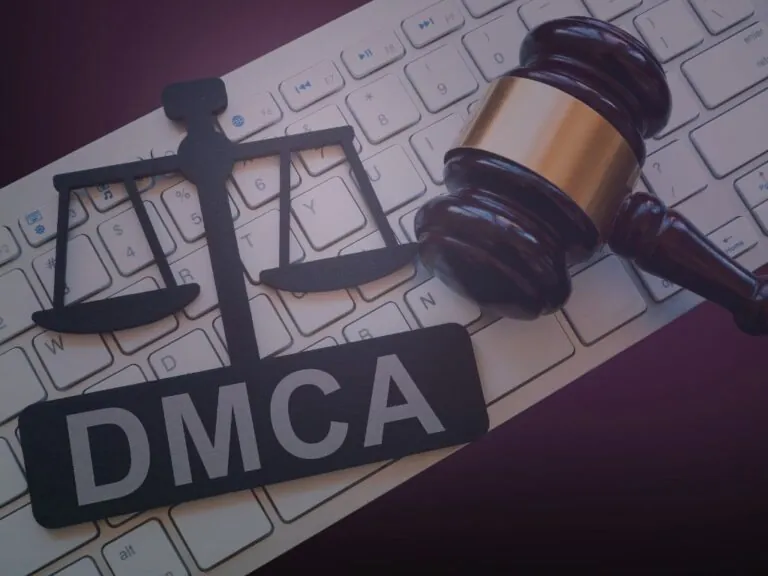
The Digital Millennium Copyright Act (DMCA), adopted in the United States in 1998, transformed the way content is regulated on the internet. Takedown notices (or “takedown notices”) have become a commonly used means, now known to everyone, of having online content that infringes copyright removed.
However, some people try to abuse this possibility, and in recent years we have seen cases of fake DMCA takedown notices, in ever greater numbers.
AgencePDN gets pirated content removed: see our solutions by sector.
In this two-part article, we will explain the phenomenon, how to recognize a fake request and how to help you guard against it.
How does a DMCA takedown notice work?
To understand the scale of the problem of fake takedown notices, we first need to understand how legitimate DMCA notices work.
- A rights holder or a company hired by the rights holder (such as Agence PDN) spots a work used without authorization
- The rights holder or agent files a takedown notice with the site concerned by filling out a DMCA notice
- The site owner is then, in principle, required to remove the content or disable access to it for users
When the host is a social media or content-sharing platform (YouTube, X, Instagram, Facebook), the request is addressed to that site and not to the user who put the offending content online. The aim of this mechanism, adopted by social media platforms, is twofold:
- Protect creators' rights. It allows rights holders to defend their works without having to pursue individual infringers directly, who are often anonymous and hard to identify.
- Limit the liability of online platforms for copyright infringement committed by their users. These companies claim they are not responsible for copyright violations committed by users who do not respect their terms of service. However, they are required to make sure that once the content has been identified, it is actually removed.

Why do fake DMCA notices exist?
- Censorship
One of the most frequent abuses of DMCA takedown notices is to have content removed not because it infringes copyright, but because a person or organization finds it undesirable. For example, a critic who publishes a negative review of a product may become the target of a fake DMCA notice aimed at getting the review removed.
- Sabotage by competitors
Fake DMCA notices are sometimes filed against competitors, particularly in sectors where products or services are mainly promoted online. By forcing the removal of videos, articles or other content critical to a competitor's marketing strategy, a company can temporarily gain an unfair advantage.
- Harassment or intimidation
Fake DMCA notices can also be used as a tool of harassment, particularly against people in “high-risk” and publicly exposed occupations, such as journalists, association activists or content creators. The fake DMCA then becomes a means of psychological pressure, requiring the person to defend themselves against claims, which forces them to use up significant resources.
- Scams and fraud
The fear caused by an unjustified DMCA notice can allow the perpetrators to obtain sensitive data or money from their victim.
The methods used
One of the most common methods is to send fraudulent emails claiming to come from copyright holders or even from fake law firms. These emails accuse the victim of infringing copyright and demand payment to avoid legal action. They can be very convincing, using legal language to frighten recipients.
Some DMCA scams involve creating fake websites imitating real platforms for handling takedown notices. These sites ask victims to provide personal information or pay fees because of an alleged violation. The scammers can then use this information to commit other frauds, the most common being identity theft.
In some cases, fraudsters use fake DMCA claims as leverage to extort payments. They threaten to file an official complaint if payment is not made. Often, victims, fearing the legal consequences and the potential cost of a defence, prefer to pay the scammers.
In mid-September, in the second part of our article, we will look at the consequences of these actions, as well as some effective means of protection that will allow you to deal with them. In the meantime, Agence PDN is here to help you; we regularly draft DMCA takedown notices, so we can also help you identify whether you are the victim of a scam involving fake requests.
Share this article