Electric Vehicles and Hacking (2)

As we saw in our last article, if you own an electric vehicle, it is essential to take steps to protect yourself against cybersecurity risks. The most common risks we identified are:
- Takeover of the vehicle: If a hacker gains access to the vehicle’s control system, they could theoretically take control of certain critical functions, such as braking or steering.
- Theft of personal data: Electric vehicles often store sensitive information, such as driving habits, navigation preferences, and even payment information linked to charging stations. This data can be used for malicious purposes.
- Hijacking of wireless communications: EVs use wireless networks (Wi-Fi, Bluetooth, etc.) to communicate with mobile apps and charging stations. These networks can be exploited by hackers to gain access to the vehicle.
- Installation of malicious software: Software updates or mobile apps can sometimes be vulnerable to attacks that introduce malware into the vehicle.
Even if you haven’t yet acquired your vehicle and are only on a waiting list, you need to be wary: hackers use waiting lists to trap future users. If you receive an email saying your car is available for purchase because you are next in line on the waiting list, be suspicious and carry out all the necessary checks. Make sure the logo and design of the email match other messages you have received from the company, and check the domain name and the sending email address of the message to make sure it is a legitimate source so that your data stays safe.
So, how do you protect yourself?
AgencePDN gets pirated content removed: see our solutions by sector.
Secure the vehicle’s communication channels
One of the simplest ways to protect yourself against remote hacking is to secure the wireless communication channels used by the vehicle.
Use strong, unique passwords
Many electric vehicles are equipped with remote control systems via mobile apps. It is therefore essential to protect them with a strong password, and above all a unique one that you don’t use anywhere else. In addition, don’t forget to change these passwords regularly to add an extra level of security.
Enable two-factor authentication (2FA)
The authentication system will add an extra layer of protection, because even if a hacker manages to get your password, they will need another factor, such as a code sent by SMS or generated by an authenticator app, to access your vehicle.
Disable unnecessary wireless connections
Electric vehicles use various wireless connections, such as Wi-Fi and Bluetooth, to interact with mobile apps and charging stations. If you don’t use these features, turn them off. This will limit the opportunities for remote attacks. For example, when you are not charging your car, it is best to turn off the Bluetooth connection.
Update the vehicle’s software regularly
Electric vehicle manufacturers often release software updates to fix security vulnerabilities. It is crucial to keep your vehicle up to date by installing these updates as soon as they are available. This closes any security holes before a hacker can exploit them. Most EVs allow remote updating, but make sure the process is carried out in a secure environment and that the source of the update is reliable.
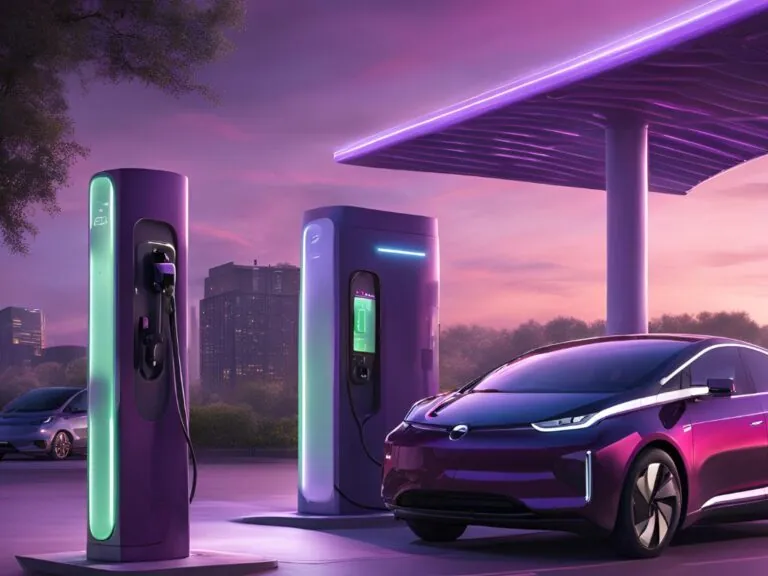
Protecting yourself when using charging stations
Electric vehicle charging stations can also be targets for hackers. These stations are often connected to management and payment systems, and if they are compromised, they can become a gateway for attacking your vehicle.
Use secure charging stations
When charging your vehicle, favour public charging stations that offer robust security protocols. Make sure the stations are certified by security bodies and that they use encryption methods to protect your personal and financial information.
Avoid Wi-Fi at stations
Some public charging stations let you connect to Wi-Fi networks to make payment or monitor charging. Use these unsecured Wi-Fi connections only if you are absolutely certain the network is reliable. Hackers can create fake Wi-Fi networks to intercept your data. If possible, use your own mobile data connection to get online when you are at a public charging station.
Protect your personal data
Electric vehicles collect a large amount of data about your driving habits, your trips, your charging information and even your entertainment preferences. If this data falls into the wrong hands, it can be used for targeted attacks or scams.
Encrypt your data
Some electric cars offer the option of encrypting sensitive information stored on board. If your vehicle offers this feature, enable it. Encryption ensures that even if a hacker manages to access your data, it will be unreadable without the proper key.
Limit the information shared with third-party apps
Apps that interact with your vehicle, such as those used for charging management or remote control, can collect a large amount of personal information. Before downloading an app, review the permissions requested and limit the information shared as much as possible. Don’t grant access to non-essential data such as your driving history or your payment information, unless absolutely necessary.
Of course, don’t forget to physically secure your vehicle as well! Agence PDN wishes you a wonderful holiday season; we will be back in January for our usual 2024 retrospective; in the meantime, if you have a film, a series, software or an ebook to protect, don’t hesitate to call on our services by contacting one of our account managers; PDN has been a pioneer in cybersecurity and anti-piracy for more than ten years, and we certainly have a solution to help you. Happy reading, and see you soon!
Share this article