Biometric Data Security (1)
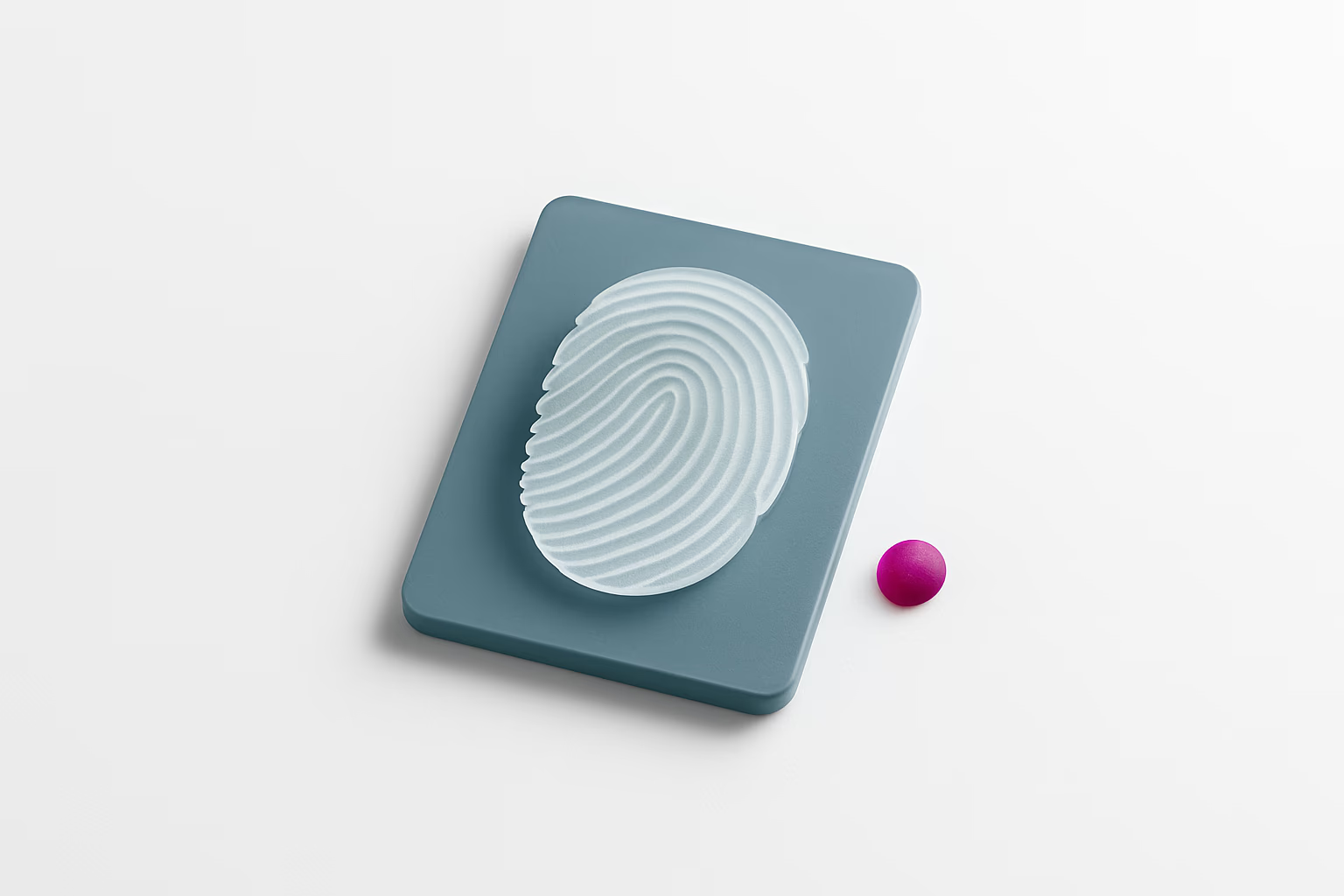
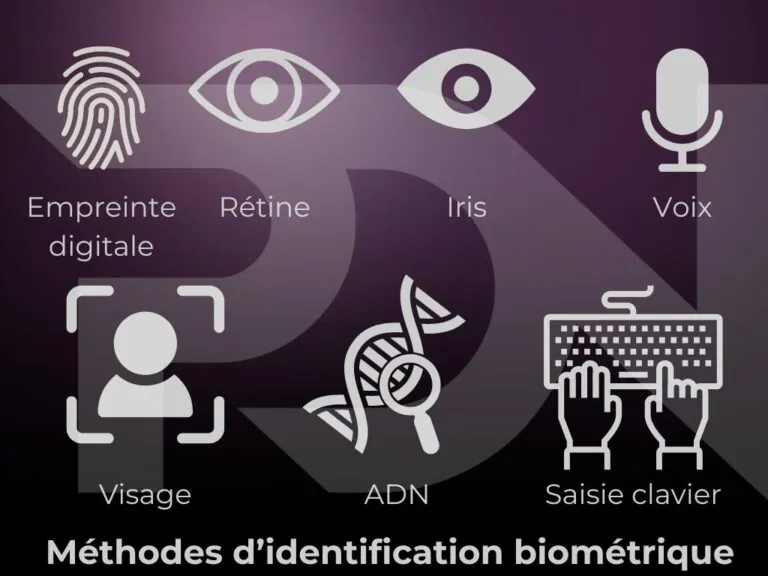
Biometrics – automatic recognition of fingerprints, irises, faces, voices, palm prints and behavioural signatures – has become a pillar of authentication in our digital and physical lives. The promise of biometrics is clear: simpler, faster, often safer than passwords. But this promise hides a fundamental vulnerability: biometric data is irreplaceable. If a password leaks, or has been used for too long, you change it. But you cannot change your fingerprint or the structure of your iris. It is this irrevocability that makes the compromise of biometric data particularly dangerous.
Types of Attacks
Two types of attacks, which can be combined, need to be distinguished:
- attacks on sensors and acquisition systems: the sensor is fooled (3D-printed finger, realistic mask, replayed voice recording) to gain access by bypassing detection.
- attacks on databases or models: theft of biometric templates, injection of malicious data, reverse engineering of templates to produce usable replicas
Technical Challenges of Protection
The commercial and operational value of biometric data is very high
AgencePDN gets pirated content removed: see our solutions by sector.
- For an organization or a business, it makes it possible to improve the customer experience and reduce fraud.
- For an attacker, however, it can open the door to permanent identity theft, financial fraud, unauthorized access to sensitive places and systems, and, in some cases, blackmail.
- Moreover, the centralization of large biometric databases multiplies the risk: a single breach can expose millions of people.
Protecting biometric data presents particular challenges. Unlike passwords, which can be encrypted and then replaced in the event of a leak, fingerprints, faces and voices rely on immutable physical characteristics. Biometric templates, the digital representations produced by capture, often contain correlated or partially reconstructible elements. If poorly protected, they become a prime target for cybercriminals.
Inadequate storage, for example as raw images or unencrypted templates, turns any biometric database into a genuine treasure for an attacker. Even when templates are encrypted, they must be temporarily decrypted to allow comparison. This step creates a vulnerability: a compromised server, a tampered authentication module or a software flaw can then expose the entire system.
Threats are growing today with the rise of artificial intelligence. Technologies that generate images, sounds or fingerprints can now produce credible faces, convincing artificial voices or partial fingerprints capable of fooling certain devices. In addition, more technical attacks target the learning systems used for biometric authentication directly: extracting information from the models, identifying data used during training, or deliberately corrupting data injected during learning. These techniques jeopardize the reliability and confidentiality of biometric solutions.
Human Risks and Ethical Questions
Facial recognition technologies and, more broadly, biometric systems are not neutral. Many studies have shown that their performance varies across demographic groups: skin colour, age, gender or ethnic origin. These biases amplify the risks of injustice and discrimination. In the event of a massive leak, populations that are already overexposed become the first victims: their data can be used to reinforce surveillance, feed profiling practices or facilitate digital harassment.
These threats are not fiction. In 2015, the hack of the Office of Personnel Management (OPM) in the United States compromised the fingerprints of more than 5.6 million federal employees. Four years later, in 2019, the “Biostar 2” database, used for physical access control, leaked more than a million fingerprints and facial images stored in clear text on an unsecured server.
These incidents demonstrate the scale of the risk: once released, biometric data cannot be replaced. Unlike a password, a fingerprint or a face cannot be “reset”; fraudulent reuse therefore always remains possible.
The repercussions go beyond the individual sphere. At the state level, national biometric databases, passport files, identity card files or police data, are highly strategic targets. Their compromise could be used for espionage, political manipulation or blackmail. A country whose national identity database is hacked exposes both its citizens and its entire infrastructure of trust.
Added to this is a more insidious risk: complacency. Biometrics enjoys an image of near-absolute security, which leads many organizations to deploy it without thorough analysis of its limits. This perception of infallibility fuels mass adoption, often without sufficient oversight of encryption protocols, storage conditions or access management.
Finally, biometrics raises major societal issues. The collection and centralization of body data can contribute to a drift toward generalized surveillance. In the event of a leak, this information risks being reused to track individuals, identify protesters or profile behaviour without consent. The consequences of a compromise are therefore not limited to cybersecurity: they threaten privacy, freedom of expression and, more broadly, citizens' trust in public institutions and security technologies.
Join us in mid-November for the sequel to our article on prevention and best practices for biometric data. In the meantime, if you have a film, a series, software or an ebook to protect, don't hesitate to call on our services by contacting one of our account managers; PDN has been a pioneer in cybersecurity and anti-piracy for more than ten years, and we certainly have a solution to help you. Happy reading, and see you soon!
Share this article